How Wildlife Affects Property Value
Financial Impact Of Animal Infestations On Real Estate
Homes do not exist in isolation from the natural world. From suburban neighborhoods edging wooded lots to rural properties surrounded by fields and trees, animals intruding on your property is a common part of the landscape. While many buyers appreciate seeing birds or deer nearby, the reality is that unmanaged creature activity can leave a lasting mark on a structure. That mark often shows up during appraisals and inspections, where past or ongoing issues influence perceived condition and long-term reliability. Understanding how animals interact with a property helps explain why these factors carry weight in real estate decisions.
How Unchecked Activity Leads To Physical Damage
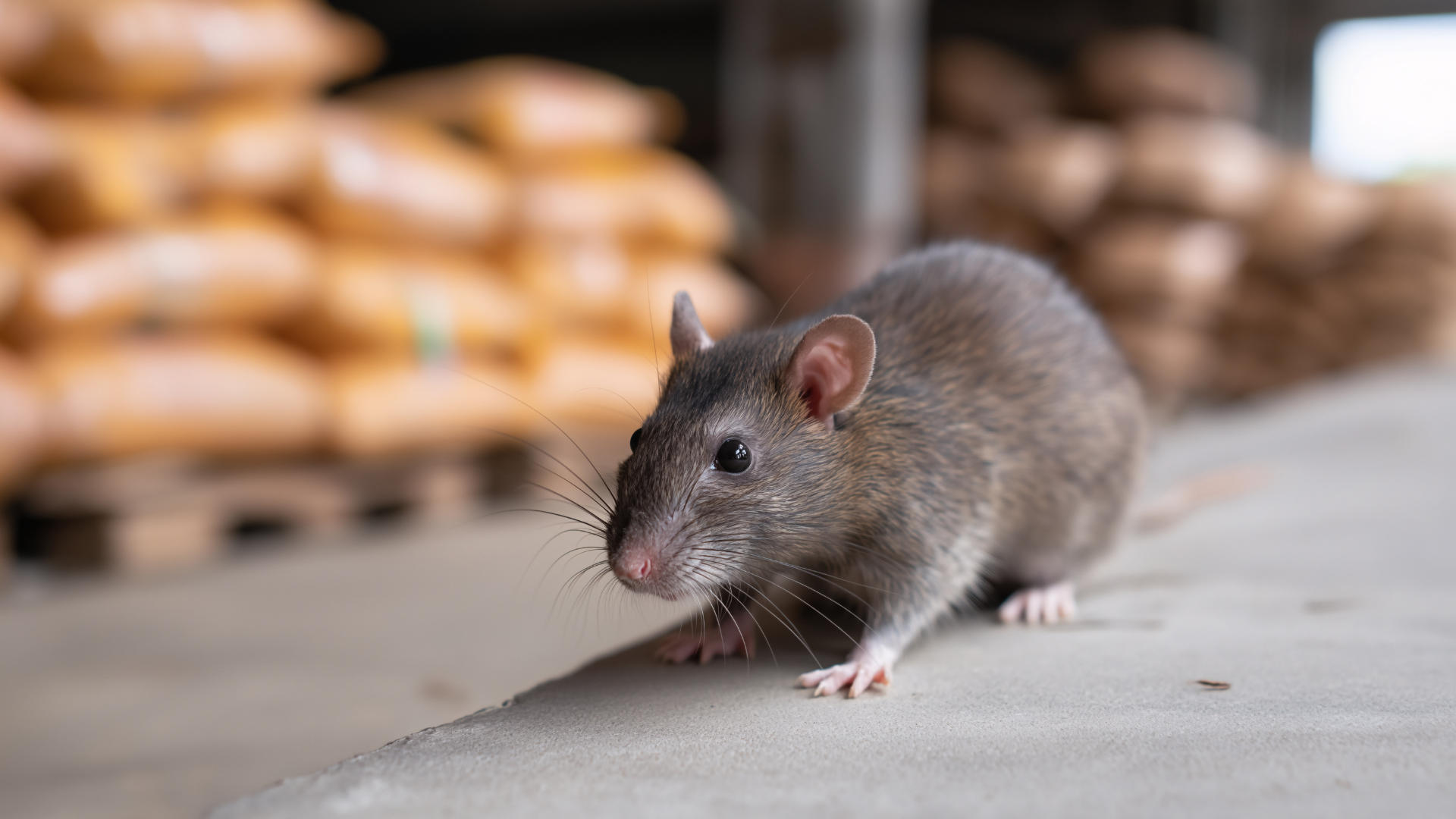
Animal-related damage rarely announces itself in obvious ways at first. Small entry points along rooflines, attics, or crawl spaces can allow animals to move in and begin altering the structure without immediate notice. Rodents gnaw on wood and wiring as part of their natural behavior, while larger animals can dislodge shingles, bend vents, or tear through insulation. These changes accumulate gradually and often remain hidden until a thorough inspection takes place.
As animals settle into a space, their presence can affect areas far beyond the initial entry point. Nesting materials trap moisture, droppings introduce contaminants, and constant movement compresses or shifts building components. These effects can spread into walls, ceilings, and flooring, creating secondary problems that are harder to trace back to their source. By the time evidence becomes visible inside the living space, damage may already be extensive.
Once damage is documented, it becomes part of the property’s history. Appraisers are trained to look for signs that a building has been compromised, even if repairs have been completed. Replaced materials, patchwork fixes, and evidence of repeated intrusions raise questions about the overall integrity of the structure. Buyers tend to interpret these signs as indicators of potential future costs, which can lead to more conservative offers or requests for concessions.
Animal-related wear also differs from typical aging. Damage caused by animals is often irregular and can affect multiple systems at once. Chewed electrical lines, contaminated insulation, and moisture issues created by nesting activity all point to a property that has faced stress beyond normal use. When these factors appear in inspection reports, they can influence how value is assigned, even when the home otherwise appears well-maintained.
Damage History And Appraisal Considerations
Appraisals are built on risk assessment as much as square footage and comparable sales. When a property shows evidence of animal intrusion issues, whether past or present, that history becomes a variable in the equation. Appraisers consider whether damage was isolated or recurring, how extensive repairs were, and whether conditions that attracted animals still exist. A single incident resolved years ago carries a different weight than a pattern of ongoing intrusions.
Documentation plays a significant role here. If repair records are incomplete or vague, appraisers may assume a more cautious stance. Unclear timelines or missing details about remediation can suggest that problems were addressed reactively rather than strategically. This perception can affect how adjustments are made when comparing the property to others in the area, especially when similar homes show fewer complications.
Another factor is the type of creature involved. Certain species are known for causing structural or environmental issues that are more expensive to resolve. Evidence of these species can trigger additional scrutiny, including follow-up inspections or specialist evaluations. Each added layer of review introduces more uncertainty, and uncertainty often translates into lower valuations or stricter lending conditions that can complicate a transaction.
Buyer Confidence And Perceived Future Risk
Buyers approach a purchase with an eye toward the future. When this type of damage appears in a property’s past, it can shape expectations about ongoing maintenance and ownership experience. Even when repairs are completed, buyers may wonder whether similar issues will reappear. That concern influences emotional reactions as much as financial calculations, affecting how comfortable someone feels committing to a long-term investment.
Confidence is closely tied to transparency. Properties with clear explanations and evidence of comprehensive solutions tend to inspire more trust than those where damage is minimally disclosed or poorly explained. When buyers sense that information is missing or downplayed, they often assume the worst. This can lead to extended negotiations, additional inspection requests, or decisions to walk away entirely before reaching an agreement.
Market conditions amplify these effects. In competitive markets, buyers may tolerate certain issues to secure a home. In slower markets, the same history can become a deciding factor against a property. Animal damage, particularly when it suggests ongoing vulnerability, can tip the balance when buyers compare similar homes. The result is often a longer time on market or a need for price adjustments to reignite interest.
Long-Term Value And Preventative Action
Property value is not only determined at the moment of sale. It is shaped over years by how well a home is protected and maintained. Addressing problems with wild animals promptly and thoroughly helps to minimize the impact the unwanted intruders will have, rather than allowing the issues to persist. Preventative measures, structural reinforcement, and professional assessment all contribute to a stronger position when it comes time to sell or refinance.
Homes that demonstrate proactive management tell a different story than those marked by repeated repairs. When appraisers and buyers see evidence that underlying causes were identified and resolved, confidence grows. This does not erase past damage, but it reframes it as a managed incident rather than an ongoing liability that could resurface without warning.
Ignoring creature activity can create a cycle of damage and repair that slowly erodes value. Each incident adds another layer to the property’s narrative, making it harder to present as a sound investment. By comparison, timely intervention helps preserve not only the physical structure but also maintains the perception of reliability, supporting stronger valuations across changing market conditions.
Animal interactions are a natural part of many environments, but their impact on property value is anything but neutral. Damage history influences appraisals by introducing questions about condition, risk, and future expense, while buyer confidence is shaped by how clearly and effectively those issues have been handled. Letting our experts address your concerns with knowledge and expertise helps protect both the structure and its market value. For property owners who want to safeguard value and present their homes with confidence, Wildlife Services offers professional solutions designed to identify, resolve, and prevent wildlife-related damage before it becomes a lasting obstacle. Don't hesitate to
contact us today to schedule service.