Why Home Buyers Should Ask About Wildlife History
What To Watch For During A Property Walkthrough
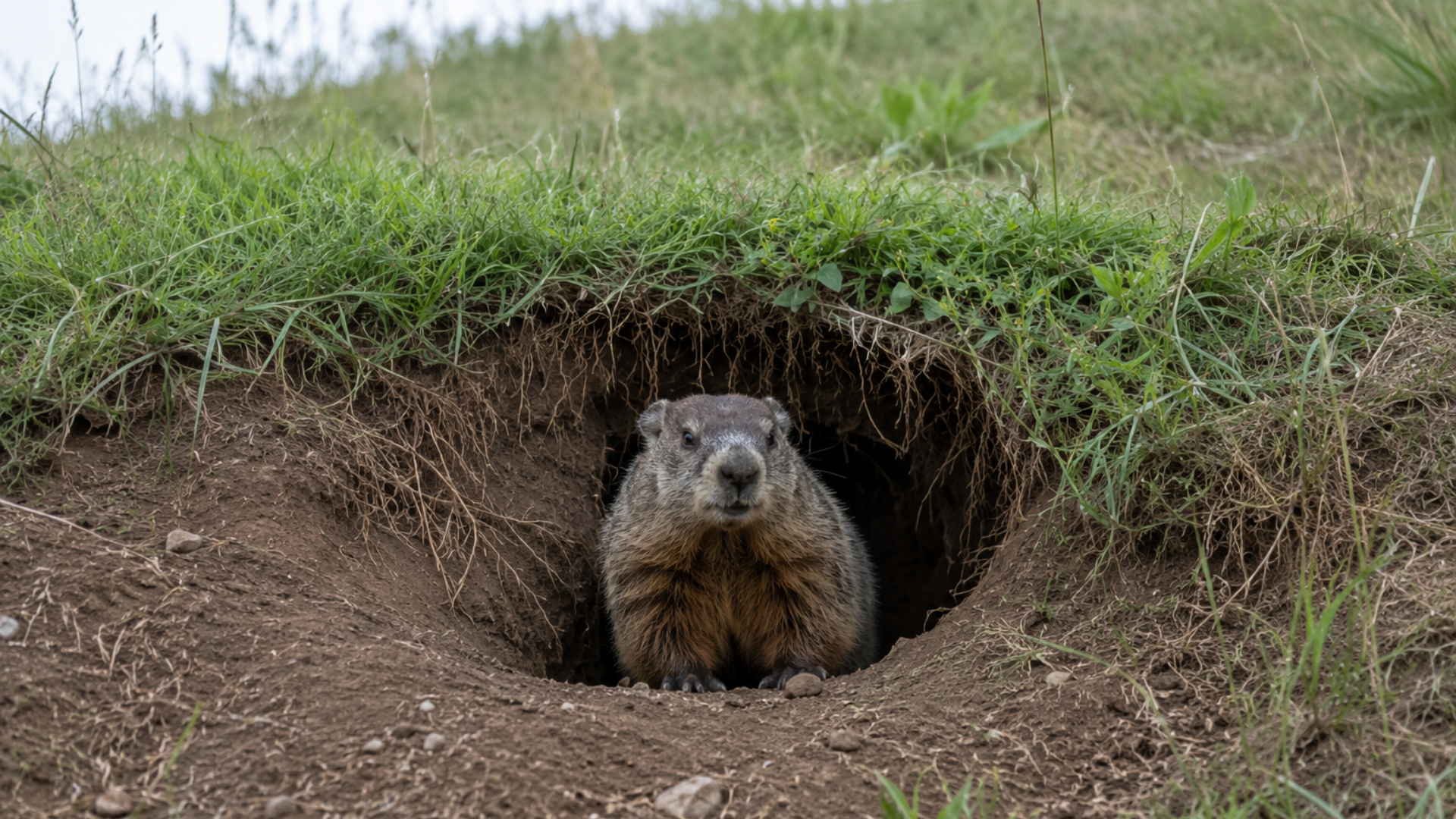
When touring a home, most buyers focus on visible features like layout, finishes, and location. What often goes unnoticed is the property’s wildlife history, which can quietly influence the condition of the structure. Previous animal presence is not always obvious at first glance, yet it can leave behind a range of issues that linger long after the animals themselves are gone.
Wildlife tends to seek shelter in attics, crawl spaces, wall voids, and other protected areas. In doing so, they may chew through wood, insulation, wiring, and even roofing materials. These actions are rarely cosmetic. They can weaken structural components, disrupt airflow, and create hidden vulnerabilities that might not appear during a standard showing. Even minor entry points can become significant access routes if they are not properly addressed.
Residue left behind can also contribute to ongoing deterioration. Organic materials such as droppings or nesting debris can introduce moisture and encourage the growth of various pathogens or other microbes. This can affect indoor air quality and lead to the gradual degradation of building materials. Buyers who are unaware of this history may inherit problems that require specialized remediation, which can be both time-consuming and costly.
Understanding whether wildlife has been present in a home provides important context. It allows buyers to evaluate the true condition of the property beyond surface-level impressions and make informed decisions about potential repairs or preventive measures.
Entry Points And Structural Weaknesses
One of the most significant concerns tied to prior wildlife activity is the presence of entry points. Animals are resourceful and persistent, often exploiting small gaps or weaknesses to gain access. These openings may be located along rooflines, vents, soffits, or foundation areas, and they are often concealed in areas that are difficult to inspect without proper access. While they may appear minor, they can serve as ongoing invitations for new intrusions.
Once an entry point has been established, it often remains unless it has been professionally sealed. Temporary fixes or overlooked repairs can leave gaps that are easy to reopen, especially during seasonal temperature changes that cause materials to expand and contract. This is particularly important for buyers to consider, as a home that has experienced wildlife activity in the past may still have vulnerable areas that are not immediately visible.
Structural damage can also extend beyond entry points themselves. Repeated use of the same access routes can wear down materials, making them more prone to further deterioration. Chewing and scratching can compromise wood framing, while nesting behavior can displace insulation and reduce its effectiveness, sometimes creating uneven coverage that affects temperature regulation. These changes may not be obvious during a casual inspection, yet they can impact energy efficiency and long-term durability.
Buyers who ask about wildlife history gain insight into whether these vulnerabilities have been properly addressed. Documentation of repairs, sealing work, and follow-up inspections can provide reassurance that the property has been reinforced against future issues. Without that information, there is a risk of encountering recurring problems after purchase.
Lingering Conditions That Encourage Recurrence
Even after animals are no longer present, the conditions that attracted them in the first place may still exist. This is a critical factor that buyers should not overlook. Wildlife is drawn to environments that offer shelter, warmth, and access to food sources. If those elements remain unchanged, the likelihood of new activity increases.
For example, damaged vents or loose roofing materials can continue to provide easy access. Accumulated debris in gutters or around the foundation can create sheltered areas that invite nesting. Nearby vegetation that is in close contact with the structure can be used as a bridge, allowing animals to reach higher entry points. These conditions often develop gradually and may not be immediately apparent during a walkthrough.
Scent trails and residual odors can also play a role. Certain species are attracted to areas where others have previously nested. Even after cleanup, traces can remain if the remediation was not thorough. This can lead to repeated attempts to occupy the same spaces, particularly in attics or crawl spaces, where disturbances are less noticeable.
Addressing these lingering conditions requires more than surface-level fixes. It involves identifying the underlying factors that made the property appealing and correcting them in a comprehensive manner. Buyers who inquire about past wildlife issues are better positioned to understand whether these steps have been taken. This knowledge can help prevent unexpected challenges after moving in.
The Importance Of Thorough Evaluation
Standard home inspections are valuable, but they may not fully capture the extent of wildlife-related concerns. Inspectors typically focus on general structural and mechanical systems, which means subtle signs of past animal activity can be missed. This is where a more specialized evaluation becomes important.
A professional assessment can identify evidence that might otherwise go unnoticed. This includes signs such as faint staining, displaced insulation, or minor structural irregularities that point to previous intrusion. It can also reveal whether repairs were completed using appropriate methods or if additional work is needed to ensure long-term protection.
Another key aspect is verifying that entry points have been properly sealed. Effective exclusion requires attention to detail and an understanding of how different species access structures. Improper sealing can create new vulnerabilities or fail to address the original problem entirely. A thorough evaluation helps confirm that the property has been secured in a way that reduces the likelihood of future issues.
For buyers, this level of insight can be invaluable. It provides a clearer picture of the property’s condition and helps avoid surprises after closing. It also offers an opportunity to address concerns before they become more complex or expensive to resolve.
Asking about wildlife history is a practical step that can reveal important details about a property’s condition. Previous animal activity can leave behind structural damage, entry points, and environmental factors that increase the chances of recurring problems. By understanding this history, buyers can make more informed decisions and take proactive steps to protect their investment. If you are preparing to purchase a home or want a professional evaluation of a property’s condition, don’t hesitate to
contact us
today at Wildlife Services for expert guidance and thorough inspection support.