Wildlife Risks In Food Storage Areas
Why Pantries And Stock Rooms Attract Animals
Food storage spaces tend to feel out of sight and out of mind for many property owners. They’re meant to be functional, practical places where products are kept until they’re needed. Yet these areas can quietly become some of the most attractive targets for wildlife intrusion. Whether it’s a warehouse corner, a restaurant pantry, a grocery stockroom, or even an outdoor storage shed, the combination of accessible food sources and low human traffic creates an environment that animals quickly notice.
Wildlife activity in these spaces isn’t just a minor nuisance. Once animals discover a reliable supply of food, the risk of repeated visits increases, along with the potential for contamination, structural damage, and ongoing control challenges. Understanding why storage areas draw wildlife in the first place is a key step in preventing serious problems.
Consistent Food Availability Creates A Strong Attraction
Food is one of the strongest motivators for wildlife. In natural settings, animals spend much of their time searching for reliable feeding opportunities. When food is stored in predictable locations, it can unintentionally provide a steady resource that certain species learn to exploit.
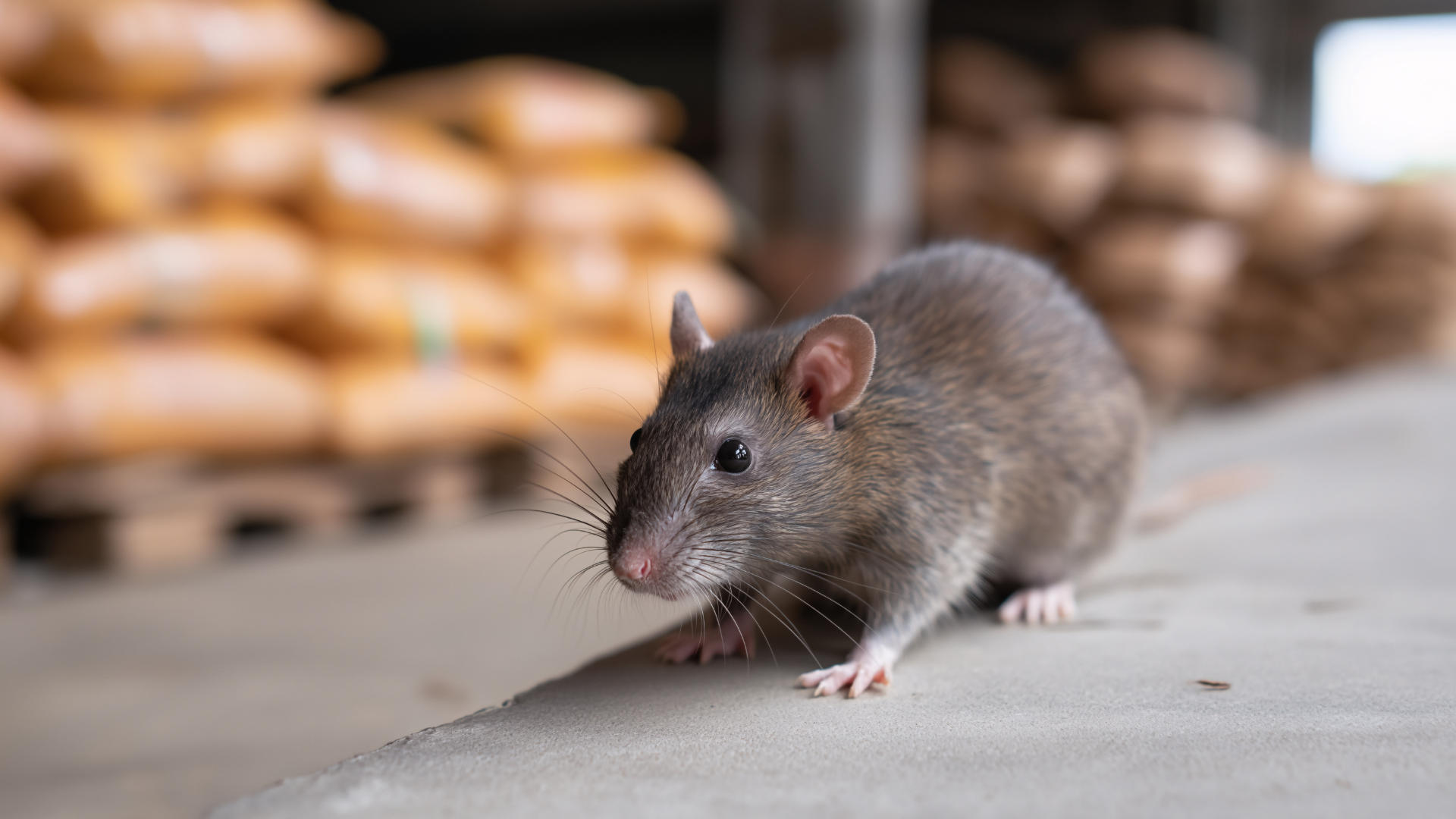
Storage areas often contain bulk goods, packaged ingredients, pet food, grains, produce, or discarded items waiting for disposal. Even when products are sealed, wildlife may still detect their presence through small gaps, weak packaging, or residue left behind. Rodents, raccoons, birds, and other opportunistic animals are highly adaptive. They don’t need a full open buffet to be interested. A few scattered crumbs, a torn bag, or an accessible bin may be enough to encourage exploration.
Once an animal successfully finds food in one of these areas, the behavior can become reinforced. That initial discovery teaches the animal that returning may be worthwhile. This is why repeated access becomes such a common issue in food storage environments. The availability isn’t random from the animal’s perspective. It feels dependable, and that can quickly turn a one-time intrusion into an ongoing pattern.
The longer food remains accessible, the more likely wildlife will view the area as part of its regular route. This can increase the chance of nesting nearby, chewing through barriers, or forcing entry through vents, doors, and damaged structural points.
Lingering Odors Continue To Draw Wildlife In
Even when food is stored properly, odors can linger in ways people may not notice. Wildlife species often have a much stronger sense of smell than humans, allowing them to detect food scents from surprising distances. A storage room might seem clean to staff, yet faint traces of sugar, grease, meat, fruit, or animal feed can still be present in the air or on surfaces.
Odors may come from spilled product, improperly cleaned shelving, leaking containers, or trash kept too close to the building. In commercial environments, deliveries and stocking routines can also contribute. Boxes that once held food may still carry scent residues even after being emptied.
This lingering smell acts like a signal. Animals interpret it as proof that food is nearby, even if the main supply is behind packaging or inside sealed units. That means an area can remain attractive even after visible food is removed. Wildlife doesn’t rely on sight alone. Smell plays a major role in guiding their behavior.
Odor trails can also encourage animals to keep testing entry points. If they repeatedly detect food smells near a door gap or vent opening, they may scratch, gnaw, or push harder to get inside. That persistence can lead to property damage and a growing risk of infestation.
Effective wildlife prevention in food storage settings often requires more than just putting food away. It involves addressing scent sources, sanitation practices, and waste handling habits that might unintentionally keep drawing animals back.
Limited Disturbance Gives Animals Opportunity
Food storage areas are often quieter than other parts of a property. Stockrooms, basements, back storage sheds, and warehouse sections may have long periods without activity, especially overnight. This reduced human presence makes wildlife feel more comfortable entering and exploring.
Many animals are naturally cautious. They prefer environments where they can move undetected and retreat quickly if threatened. A low-traffic storage area offers that kind of cover. Dim lighting, cluttered corners, stacked pallets, and unused equipment can create hiding spots that help animals remain unseen.
When disturbance is minimal, wildlife may spend more time inside the space, increasing the likelihood of contamination. Droppings, urine, nesting materials, and fur can all create serious hygiene concerns in areas meant for food-related goods. In commercial settings, this can raise compliance issues and potential health risks.
Quiet environments also allow animals to establish routines. A rodent that finds shelter behind stored boxes may begin nesting there. A raccoon that enters through an unsecured opening may start returning regularly. Birds may find rafters or beams suitable for roosting. Once that pattern forms, removal becomes more complicated.
The issue isn’t only the immediate presence of animals. It’s the long-term opportunity these areas provide. Limited disruption gives wildlife the confidence to keep coming back, making proactive exclusion and monitoring especially important.
Preventing Repeated Access And Reducing Risk
The combination of consistent food availability, lingering odors, and low disturbance creates a powerful pull for wildlife. Preventing intrusion requires breaking that cycle. Food must be stored with attention to packaging strength, container security, and cleanup practices. Odors need to be managed through sanitation and proper waste storage. Entry points should be inspected regularly, since even small gaps can allow animals inside.
Wildlife control in food storage environments is particularly sensitive because contamination risks are higher, and repeat activity can escalate quickly. Addressing the issue early helps limit damage and reduces the chance of an established infestation.
Property owners and managers benefit from taking these risks seriously, even if animal activity seems minor at first. The sooner conditions are corrected, the easier it is to keep wildlife from viewing the storage area as a dependable resource.
Wildlife intrusion in food storage areas can create serious challenges, from contamination concerns to structural damage and recurring animal activity. Because these environments offer steady food sources, lingering smells, and quiet shelter, they can quickly become attractive targets for unwanted species. If you suspect wildlife activity near stored goods or want to strengthen prevention strategies, don't hesitate to
contact us
today at Wildlife Services and let us help you protect your property and maintain a wildlife-free storage environment.