Wildlife Problems Linked To Trampolines And Playsets
Backyard Kids’ Equipment Can Create Hidden Shelter Areas For Animals
Trampolines and playsets are usually thought of as fun, familiar parts of the yard, but to certain animals, they can look like shelter. A trampoline creates a wide patch of shade close to the ground. A playset may offer roofed corners, raised platforms, mulch borders, and spaces that don’t get checked very often. Those features can make a backyard structure more appealing than homeowners expect.
Many animals search for places that are cooler, quieter, and partly hidden from view. The area beneath a trampoline can stay damp after rain, collect leaves, and block direct sunlight. A wooden setup can provide gaps beneath platforms or steps where smaller species may squeeze in during the evening. When kids aren’t using the space, especially overnight or during colder months, activity can increase without drawing much attention.
These spots are easy to overlook because they sit in plain sight. Homeowners may walk past them every day without looking underneath. The yard may seem tidy from a distance, while leaves, toys, nesting material, or loose soil are building up in sheltered pockets. By the time something feels off, a pet may be the first one to notice a smell, sound, or movement near the equipment.
Common Species Found Near Trampolines And Playsets
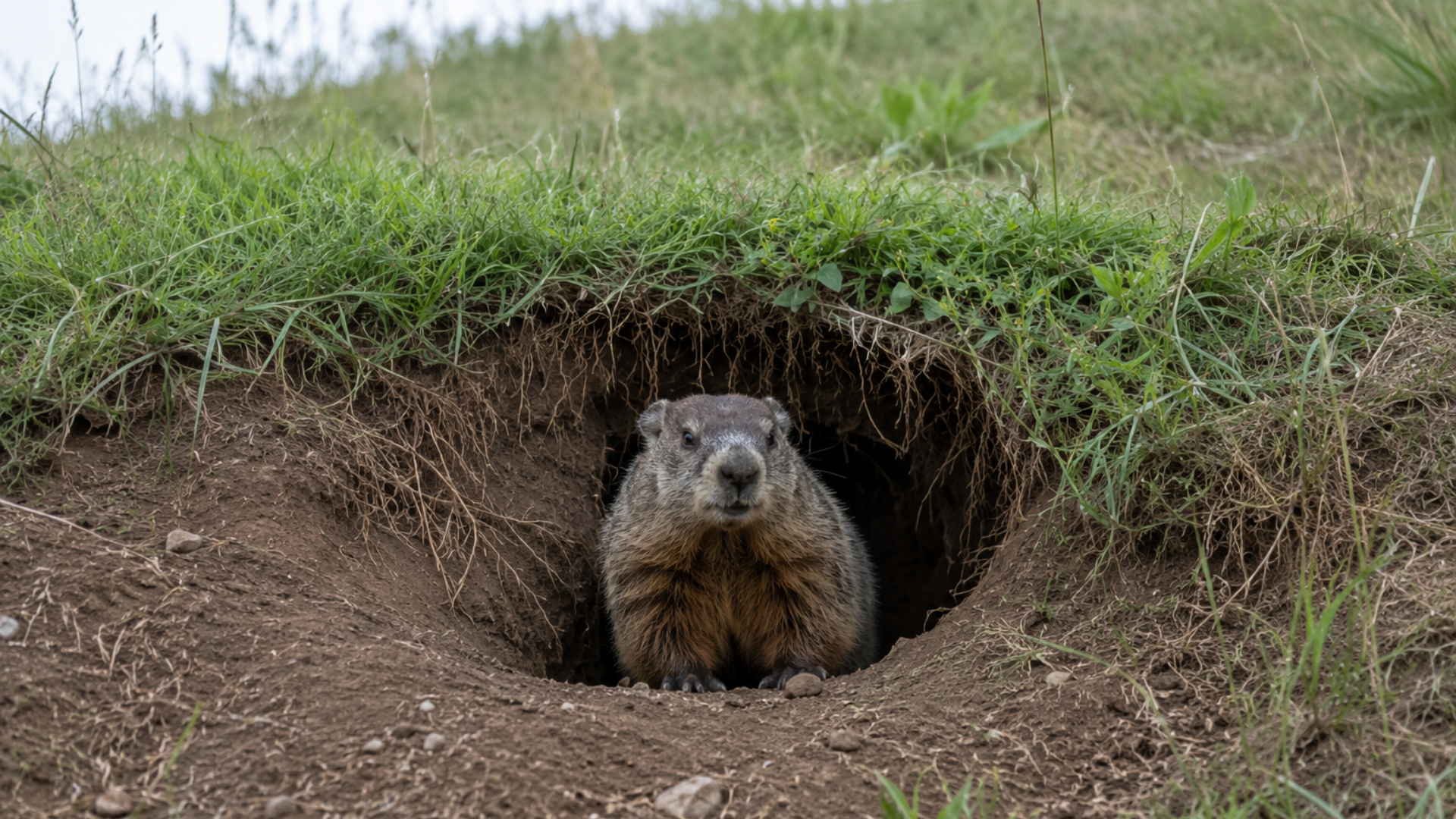
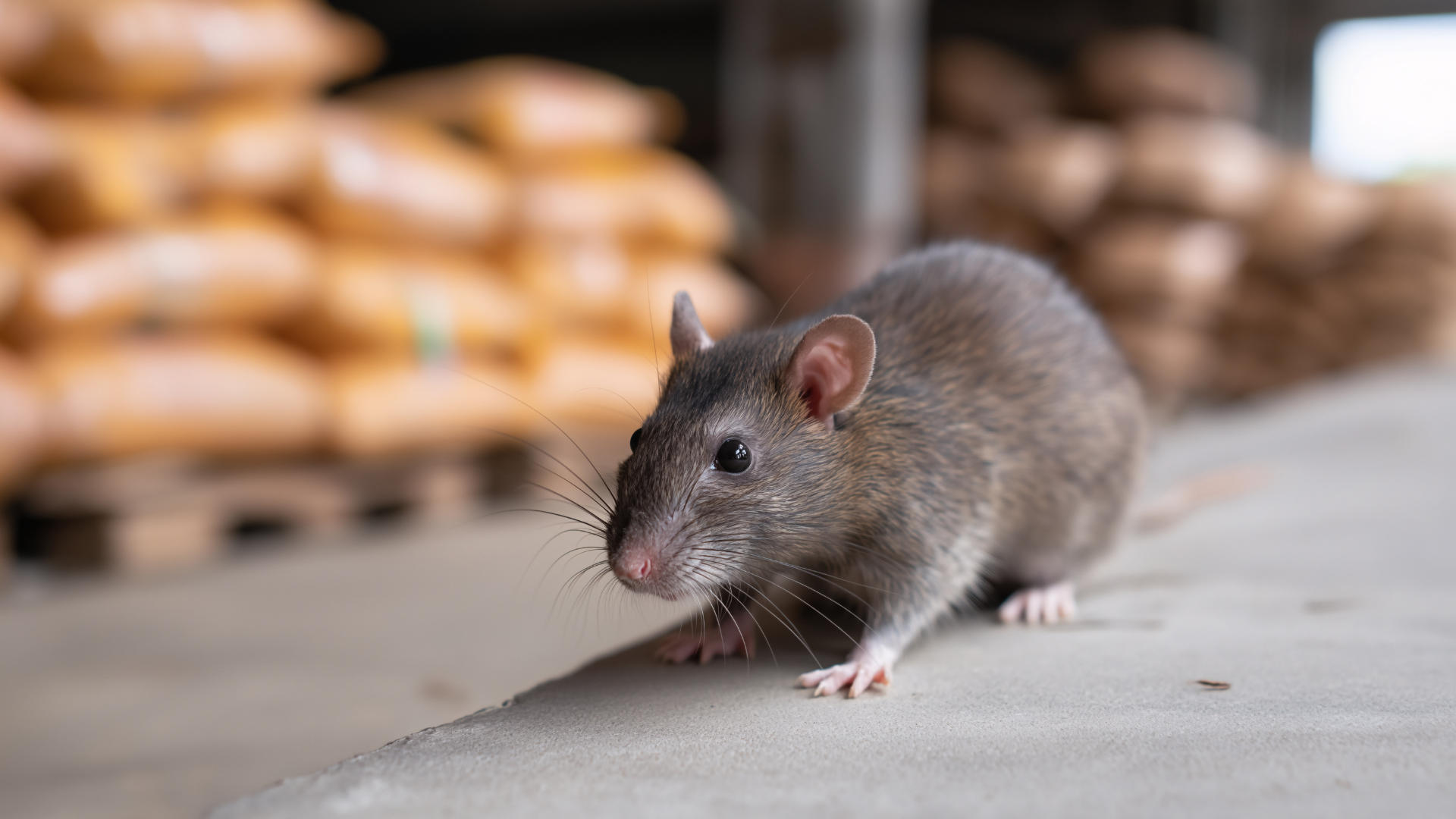
Several nuisance critters may use backyard play areas for cover. Opossums may rest beneath equipment because they prefer quiet, hidden spaces and often move through yards at night. Skunks may be drawn to the same kind of cover, particularly where insects, grubs, or food scraps are nearby. Rodents can take advantage of stored toys, fabric, bins, and clutter that give them protected nesting places close to landscaping or mulch.
Snakes may use shaded areas for cover, especially when tall grass, wood borders, or dense shrubs reduce visibility. They may also follow rodent activity, which can bring them closer to trampolines, slides, and playhouses. Raccoons may investigate these areas while searching for food, water, or shelter. Even if they don’t stay long, they can leave droppings, damage, or scattered debris behind.
Stinging insects are another concern around play equipment. Wasps and hornets may build nests in roofed sections, under platforms, inside hollow tubing, or along protected corners where wind and rain don’t bother them as much. A nest can grow before anyone notices it, especially if the structure isn’t used daily. When children, pets, or adults disturb that space, the insects may react defensively.
The concern is not only the animal itself. Droppings, urine, nesting material, chewed wood, disturbed mulch, and insect nests can change the condition of a play area quickly. These signs may be subtle at first, which is why a closer look matters before the problem becomes more established.
How Trampolines, Playsets, Toys, And Landscaping Create Shelter
A trampoline can become a surprisingly useful hiding place for wildlife. The dark area underneath gives animals a break from heat and open exposure. Leaves and sticks can collect below the mat, creating a soft layer that holds moisture and attracts insects. Cooler ground beneath the trampoline may appeal to animals during warm weather, while the reduced visibility can help them avoid pets and people.
Playsets add another layer of opportunity. Raised platforms, ladders, slides, and roofed sections create gaps where animals can hide or pass through. Wooden supports may sit near mulch or landscape borders, which can attract insects and rodents. If a playset includes a small clubhouse or covered deck, the shaded corners may become appealing to wasps, hornets, spiders, or small mammals seeking shelter.
Stored toys and backyard clutter make the issue worse. Balls, tarps, plastic bins, unused water tables, cushions, and loose items can create pockets of cover. Rodents may nest inside rarely moved items, and insects may gather around damp fabric or debris. During colder months, outdoor storage can become even more inviting because critters are looking for protected spaces away from wind and temperature swings.
Landscaping around play areas can also raise the chances of activity. Tall grass gives animals a covered route across the yard. Dense shrubs make it harder to see what’s happening beneath a structure. Mulch and wood borders may support insect activity, which can attract nuisance species that feed on them. Standing water near equipment, even from a toy bucket or poor drainage, may draw insects, raccoons, rodents, or other visitors.
Good visibility matters. When a space is open, dry, and well-maintained, animals have fewer places to settle in unnoticed. When the same area is shaded, cluttered, damp, and surrounded by dense growth, it becomes much easier for a small problem to hide.
Warning Signs And Prevention Steps For Homeowners
A few signs can suggest that wildlife may be using the area around backyard play equipment. Holes near the legs of a playset, disturbed mulch, droppings, unusual odors, scratching sounds at night, chewed plastic, torn fabric, or visible nesting material are worth taking seriously. Pets may also stare, sniff, bark, paw, or avoid a certain spot because they can detect activity before people do.
Homeowners can reduce the chances of hidden animal activity by keeping the ground beneath equipment clear. Leaves, sticks, food wrappers, and damp debris should be removed regularly. Toys should be stored in sealed containers rather than left under platforms or trampolines. The space under and around structures should stay visible enough for a quick inspection.
Landscaping maintenance is also important. Grass should be trimmed around play areas, and shrubs should be cut back so they don’t create hidden corridors. Wood piles, brush, and unused outdoor items should be moved away from places where children play. Drainage should be improved if water collects after rain. Removing standing water from buckets, toys, and covers can also reduce insect pressure.
Food sources should be managed as well. Pet food should not be left outside, trash lids should close tightly, and outdoor eating areas should be cleaned soon after use. Even small crumbs, spilled drinks, or open garbage can bring insects and animals closer to a play space.
Frequent inspection helps homeowners catch trouble earlier. Look under trampolines, behind slides, beneath platforms, around mulch borders, and inside roofed sections. Check for nests, burrows, droppings, chewing marks, or insect activity. If something looks active, avoid reaching into the space blindly or allowing pets to investigate. A cornered animal may behave aggressively, and stinging insects may respond quickly when their nest is disturbed.
Trampolines and playsets can attract wildlife because they offer shade, cover, quiet spaces, and overlooked areas where debris and clutter collect. With regular cleaning, smart storage, trimmed landscaping, and routine inspections, homeowners can reduce hidden activity around places where children and pets spend time. If animals are nesting beneath structures, odors or contamination remain, stinging insects are active, or sightings keep coming back, don't hesitate to
contact us at Wildlife Services for professional wildlife control and removal help.