Massive Tunnel Systems Created By Groundhogs
The Unexpected Strength Of A Groundhog Burrow
Groundhogs are often recognized for their stocky bodies, short legs, and habit of appearing in open fields and residential landscapes. What many people do not realize is that much of these animals' lives takes place beneath the surface. Hidden underground is an elaborate network of tunnels and chambers that serves as the animal’s home, refuge, nursery, and seasonal shelter.
A single opening in a lawn or along a hillside may seem insignificant at first glance, but that entrance can lead to a surprisingly extensive underground system. These animals are among nature’s most capable diggers, creating burrows that demonstrate remarkable planning and adaptability. These underground networks help them survive changing weather conditions, avoid threats, and remain close to valuable food sources.
They Are Remarkably Skilled Excavators
Groundhogs are naturally equipped for digging. Their bodies are built to handle the demanding work of excavation, with powerful forelimbs and strong, curved claws that can move large quantities of soil. These physical adaptations allow them to create substantial underground living spaces that extend well beyond what is visible from the surface.
Digging serves several important purposes throughout a groundhog’s life. A burrow provides shelter from harsh weather, including summer heat and winter cold. It also offers protection from predators and creates a secure place for resting and raising young. Rather than relying on a simple den, they construct underground habitats that support many different aspects of their daily survival.
The amount of soil displaced during excavation can be impressive. Freshly dug earth often appears near tunnel entrances, creating noticeable mounds around active locations. As a burrow expands, additional soil is removed and deposited outside, giving property owners one of the first visible clues that excavation activity is occurring nearby.
What makes these underground systems particularly fascinating is their potential size. Many people imagine a short tunnel leading to a single chamber. In reality, a mature burrow can contain multiple passageways, connecting different sections beneath the ground. Some tunnel systems stretch dozens of feet in length and may continue growing as the animal modifies its habitat to meet changing needs.
Complex Designs Hidden Beneath The Surface
A burrow is far more than a simple hole leading underground. These systems often include multiple tunnels, specialized chambers, and more than one entrance. Each section serves a purpose that contributes to the animal’s survival.
The main entrance is typically the most visible opening. They use this access point for daily movement between feeding areas and their underground shelter. These entrances are commonly positioned where the animal can maintain a clear view of its surroundings before emerging above ground.
In addition to primary openings, many burrows contain secondary exits. These escape routes provide alternative pathways if danger approaches. If a predator blocks one entrance, another opening may offer a quick route to safety. This design gives the animals greater flexibility and improves their chances of avoiding threats.
Inside the system, different chambers serve different functions. Resting areas are often lined with grasses, leaves, and other plant materials that create a comfortable nesting space. These chambers provide protection from fluctuating temperatures and help maintain a stable environment underground.
These critters also create nursery chambers where young are raised during the breeding season. These areas are generally positioned deeper within the system, helping shield vulnerable offspring from disturbances occurring above ground. The protected setting offers a suitable environment for early development until the young are capable of venturing outside.
Seasonal needs influence how various sections of the burrow are used. During warmer months, activity centers around feeding and daily movement. As colder weather approaches, the underground habitat becomes increasingly important. Groundhogs spend extended periods within their burrows during winter, relying on the stable conditions below the surface while remaining largely inactive.
Choosing The Perfect Location And Maintaining The System
Groundhogs do not dig randomly. Selecting a suitable location is a critical part of creating a successful burrow. Several environmental factors influence where excavation takes place.
Soil quality plays a major role. Groundhogs generally prefer ground that is firm enough to support tunnel walls while still being workable for excavation. Extremely rocky areas can present challenges, while unstable soil may increase the risk of collapse. Finding the right balance allows the animal to create durable passageways that remain usable throughout the year.
Terrain also influences site selection. Hillsides and gentle slopes are frequently favored because they provide natural drainage advantages. Elevated locations help reduce the likelihood of water accumulation within the tunnel system. Proper drainage is essential since excessive moisture can compromise the integrity of underground chambers and make them less suitable for long-term occupancy.
Visibility is another important consideration. Areas with clear sightlines allow groundhogs to monitor their surroundings before emerging from a burrow. Being able to spot potential threats from a distance offers a significant survival advantage.
Access to food sources is equally valuable. Groundhogs are herbivores that feed on a variety of vegetation, including grasses, garden plants, clover, and agricultural crops. Establishing a burrow near dependable food supplies reduces travel distance and conserves energy.
These underground systems are not static structures. Groundhogs may continue modifying them as circumstances change. New tunnels can be added, existing routes may be expanded, and chambers can be adjusted to accommodate seasonal needs. This ability to adapt contributes to the long-term effectiveness of the burrow.
How Groundhog Burrows Impact Residential Properties
While these underground networks are impressive from a wildlife perspective, they can create concerns when located near homes and other structures. The excavation process removes significant amounts of soil, leaving empty spaces beneath the surface that may affect the surrounding area.
One common issue involves burrows developing beneath foundations, sheds, decks, porches, and outbuildings. These locations provide convenient cover and often attract groundhogs seeking protected areas for excavation. As tunnels expand, the displaced soil can alter ground conditions around these structures.
Lawns and landscaped areas often show visible evidence of excavation. Large entrance holes, mounds of fresh soil, and disturbed vegetation can affect the appearance of a property. In some cases, worn travel paths develop between feeding locations and tunnel openings, creating additional signs of wildlife activity.
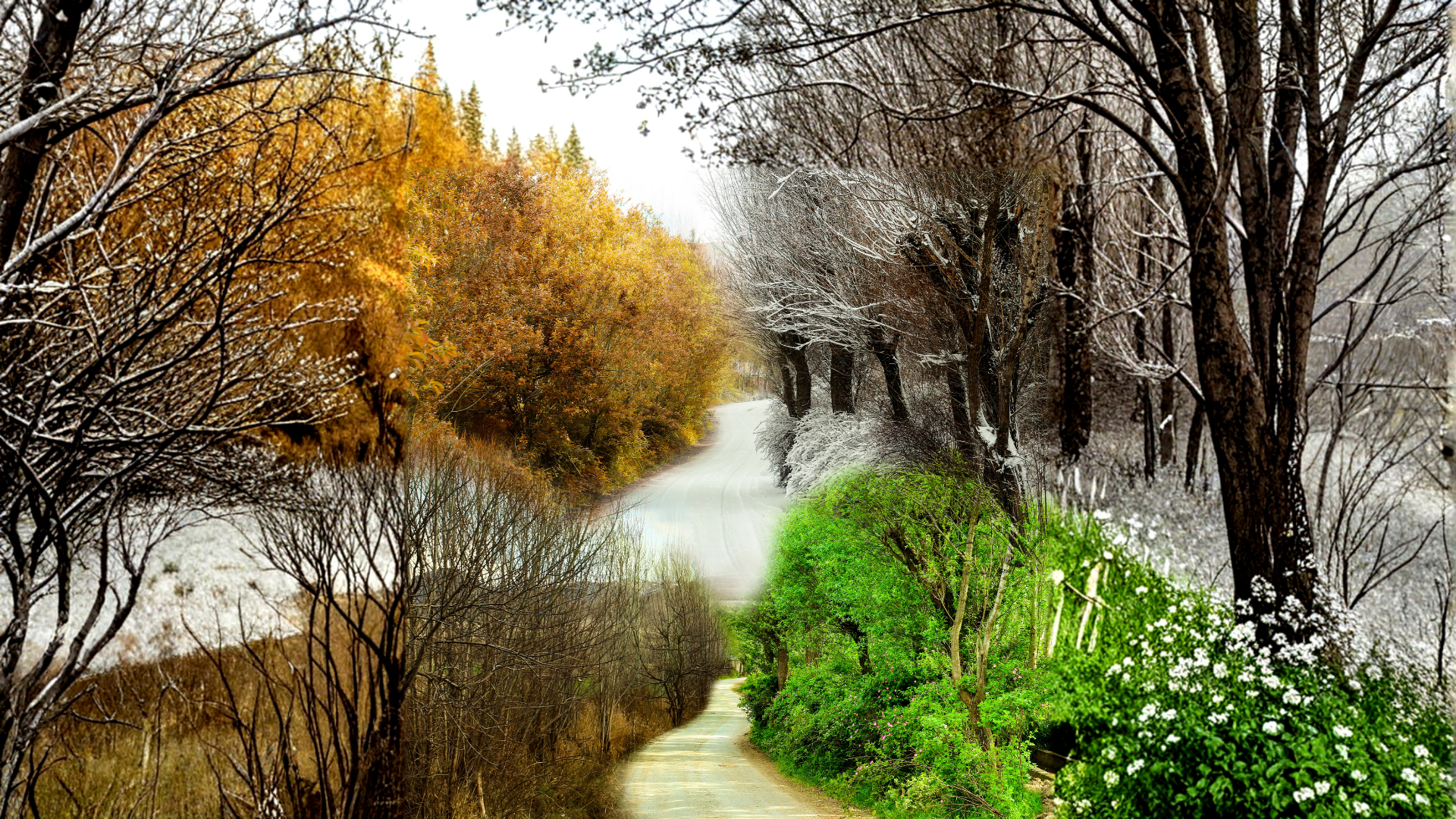
Seasonal patterns also influence the visibility of groundhog behavior. Spring often brings increased movement as breeding activity begins and animals become more active following winter. Summer is frequently a period of heavy feeding and continued use of established tunnel systems. During fall, groundhogs focus on preparing for colder weather, while winter typically brings reduced surface activity as they spend extended periods underground.
If you have noticed signs of groundhog activity around your property, professional assistance can help address the situation before excavation spreads further. The team at Wildlife Services has the experience and knowledge to identify active burrows, assess potential concerns, and provide effective wildlife control solutions. Contact us at Wildlife Services today to learn more about guarding your property from the challenges associated with intrusive wildlife activity.